
How Much Does Hardwood Flooring Installation Cost in Phoenix?
Phoenix homeowners and property managers can expect the hardwood flooring installation cost to vary based on the wood selected, site conditions, layout, stairs, patterns, and finishing details.
A broad planning range can run from about $6 to $25 or more per square foot installed, while detailed layouts and custom features may increase labor expenses.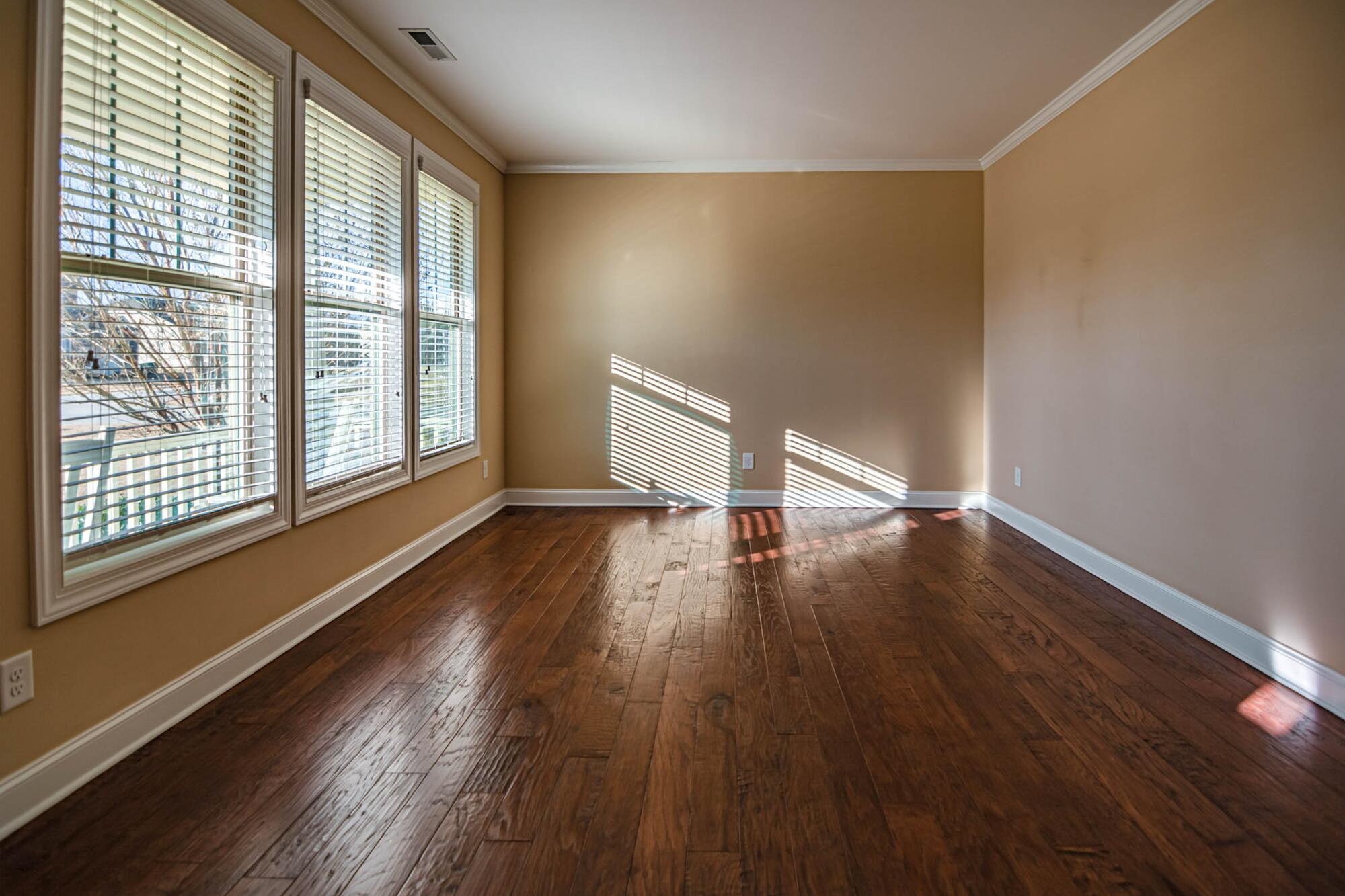
Want hardwood without budget surprises?
Know what raises labor, compare options, and plan your Phoenix project with confidence.
How Much Does It Cost to Install Hardwood Floors in Phoenix?
One of the most common questions people ask is how much hardwood flooring costs per square foot once installation is included.
No single price works for every property.
A simple rectangular room usually requires less installation time than a home filled with:
- Angles
- Stairways
- Hallways
- Built-ins
- Decorative patterns
Material choice also matters.
Solid hardwood, engineered hardwood, wood species, plank width, finish, and manufacturer can all affect the final investment.
Phoenix homeowners may see broad installed pricing beginning around $6 per square foot, while premium products and detailed projects can reach $25 per square foot or more.
The most accurate flooring budget considers the room itself, not just its square footage.
Residential homes in Phoenix, Mesa, and Scottsdale often have:
- Open floor plans
- Stairs
- Curved areas
- Tile-to-wood transitions
- Other architectural features
Each feature can influence installation time.
What Makes Hardwood Floor Installation More Expensive?
Another common question is why two rooms with the same square footage may receive very different estimates.
Square footage tells installers how much flooring is needed.
It does not reveal how much cutting, measuring, fitting, or preparation the project requires.
Labor may increase when installers must:
- Work around kitchen islands or built-in cabinets
- Fit flooring around angled walls
- Create detailed transitions between rooms
- Install decorative patterns
- Cover stairs with hardwood
- Prepare uneven or damaged subfloors
- Remove existing flooring
- Work through several small connected spaces
Now, let’s look at the four hardwood flooring installation cost factors in Phoenix.
1. Complex Room Layouts Increase Installation Time
A large square room can often be installed more efficiently than several smaller rooms with the same total square footage.
Complex room layout flooring requires installers to make more cuts and measurements.
Angled walls, narrow hallways, doorways, closets, columns, fireplaces, and built-ins can all affect installation.
Imagine a 600-square-foot open room compared with 600 square feet divided between bedrooms, closets, hallways, and connecting spaces.
Both projects require roughly the same flooring coverage.
Their labor needs can be very different.
Installers must maintain straight lines, proper plank placement, expansion spacing, and clean edges throughout every section.
Extra cuts can also increase material needs because some boards cannot be reused after being trimmed for unusual spaces.
Planning for those details early creates a more realistic installation budget.
2. Staircases Require Specialized Hardwood Work
Hardwood stairs can create a striking transition between floors, but staircase installation requires detailed craftsmanship.
The custom stair wrapping cost depends on factors such as:
- The number of stairs
- Staircase design
- Wood selection
- Nosing
- Risers
- Landings
- Surrounding trim
Each stair requires accurate measuring and fitting.
3. Decorative Patterns Can Increase Labor Costs
Straight plank installation remains popular because it creates a timeless appearance and works well with many interior styles.
Decorative layouts create another level of visual interest.
Patterns such as herringbone, chevron, borders, and custom inlays require more planning and precision.
As a result, floor pattern installation fees may be higher than standard straight installations.
Herringbone layout labor can be especially detailed.
Each plank must align carefully with the surrounding pattern.
Small alignment differences can become noticeable across a large room, so installers must maintain exact measurements throughout the project.
Pattern installations may also require more material because additional cuts can create greater waste.
Decorative layouts can work particularly well in:
- Entryways
- Dining rooms
- Executive offices
- Hotel-style residential spaces
- Retail locations
- Reception areas
4. Architectural Transitions Require Careful Planning
Flooring rarely exists in complete isolation.
Hardwood may connect with:
- Tile
- Carpet
- Vinyl
- Laminate
- Stone
- Another hardwood product
Each connection must look intentional while allowing the flooring system to perform correctly.
Architectural transition pricing may depend on:
- The type of transition
- Height differences
- Doorway design
- Trim requirements
- Surrounding flooring materials
Transitions become especially important when hardwood flooring runs through several rooms.
A professional installer may need to address:
- Changes in floor height
- Door thresholds
- Tile-to-hardwood connections
- Carpet-to-hardwood edges
- Stair landings
- Sliding doors
- Exterior entry areas
Clean transitions make the entire project look finished.
Bram Flooring’s flooring services include professional installation and project guidance that can help customers account for details such as measurements, existing surfaces, trim, and flooring connections before work begins.
Frequently Asked Questions
Does Furniture Removal Affect Hardwood Flooring Installation Pricing?
Furniture and room accessibility can influence project planning because installers need clear access to the flooring area.
Large furnishings, commercial displays, built-ins, appliances, or unusually heavy items may require additional coordination before installation begins.
Property managers should also consider business operating hours and room availability when planning commercial work.
Discussing site access during the estimate allows the flooring team to organize the installation process efficiently and identify any special requirements before the scheduled start date.
Does the Condition of the Subfloor Affect Hardwood Flooring Costs?
Yes.
Hardwood performs best over a properly prepared surface.
Subfloor conditions may need to be evaluated before installation begins.
Uneven areas, damaged sections, moisture concerns, or other surface issues can change preparation requirements.
Proper preparation supports a smooth finished appearance and helps the flooring perform as intended.
A professional evaluation can identify these conditions before the hardwood is installed, allowing them to become part of the overall project plan instead of an unexpected issue later.
Understand Your Hardwood Flooring Installation Cost Before Installation Begins
The best way to control your hardwood flooring installation cost is to understand how your specific space affects the project before installation starts.
Since 2011, Bram Flooring has served homeowners and commercial customers throughout Phoenix and surrounding communities with flooring expertise, professional installation, and a wide range of quality flooring products.
Customers can explore hardwood, carpet, laminate, vinyl, ceramic tile, and area rugs while working with knowledgeable flooring and design specialists.
Contact Bram Flooring today to discuss your residential or commercial flooring project and receive professional guidance for your Phoenix, Mesa, or Scottsdale property.
Upgrade Your Home with Trusted Floor Installers in Glendale AZ
Trust Bram Flooring for expert floor installation services in Glendale. Our skilled team offers high-quality flooring options, precise installation, and personalized guidance to help you create stylish, comfortable, and durable spaces that elevate your home.
Contact us today or call (623) 224-8789 for immediate assistance!