
Flooring Underlayment 101: What Phoenix Homeowners Should Know
Flooring underlayment adds a cushioning layer between the subfloor and finished flooring to improve comfort and reduce noise.
One of the key benefits of underlayment is that it helps protect the flooring system from minor subfloor imperfections.
Underlayment installation plays an important role in maintaining flooring performance and longevity.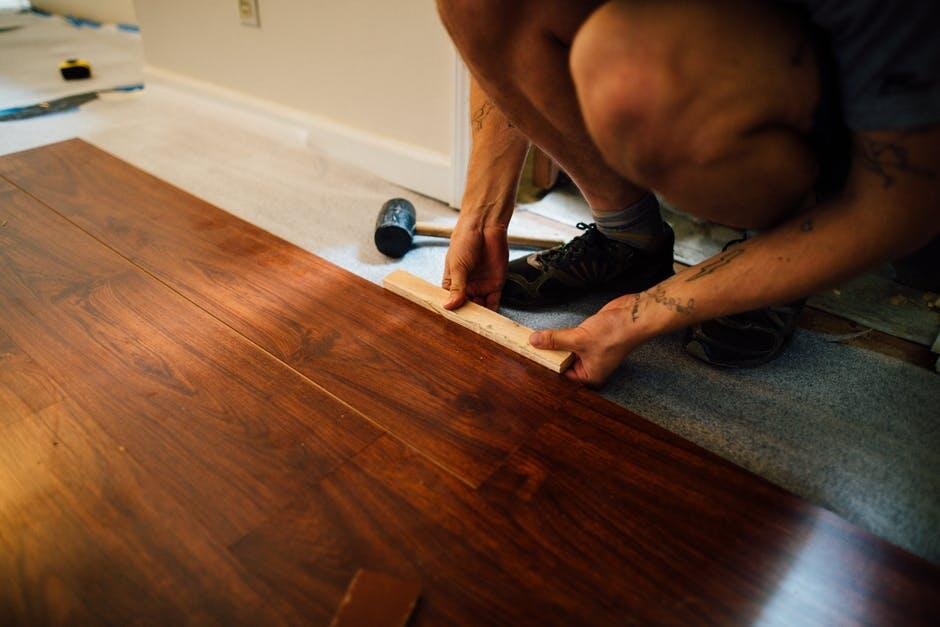
Data Intelo revealed that roughly 67% of residential flooring replacement projects now specify a premium underlayment product.
The types of flooring underlayment available make it possible to match different flooring needs.
For instance, homeowners can now match performance features with specific flooring materials.
Learn more about these unique Phoenix flooring solutions below.
What Is Flooring Underlayment and Why Is It Important for Phoenix Homes?
Flooring underlayment is a material layer installed between the subfloor and finished flooring.
It helps create a smoother foundation and improves overall floor performance.
The National Weather Service reported that the average daily max temperature in Phoenix was 89.7ºF in 2025.
It also registered 180 days of temperatures 90ºF or warmer.
In Phoenix homes, underlayment is especially important because extreme heat can affect flooring materials over time.
The right underlayment supports stability and helps reduce wear caused by minor subfloor irregularities.
Professional installation contributes to a more durable flooring system.
What Are the Types of Flooring Underlayment Available for Different Flooring Systems?
Each type is designed to support specific flooring applications.
Different flooring systems require different underlayment materials.
Common options include:
- Foam
- Cork
- Rubber
- Felt products
- Fiber
- Polyethylene
Foam underlayment is often used beneath laminate and floating floors.
Cork provides sound reduction and added comfort underfoot.
Rubber performs well in areas where durability is a priority.
Felt underlayment offers cushioning and support for some engineered flooring installations.
The right choice depends on the flooring material and whether it is a high-traffic area.
How Do the Benefits of Underlayment Improve Comfort and Noise Control?
Improved comfort and quieter living spaces are among the most recognized benefits of underlayment.
Underlayment creates a softer surface beneath finished flooring.
The added cushioning can make everyday walking more comfortable.
Many underlayment products are designed to absorb sound before it travels through the floor structure.
This feature helps reduce footstep noise between rooms and levels.
Added noise control is especially valuable in busy households and multi-story homes.
How Do Phoenix Flooring Solutions Address Heat and Subfloor Challenges?
Phoenix flooring solutions are often designed with the local climate in mind.
Extreme heat can place added stress on flooring materials throughout the year.
Quality underlayment helps support floor stability in changing indoor conditions.
Many products are made to accommodate minor subfloor imperfections before installation begins.
Good preparation beforehand creates a more reliable foundation for finished flooring.
It helps homeowners achieve better performance and longer-lasting flooring results.
What Are the Best Underlayment Installation Tips for Long-Term Floor Durability?
Successful underlayment installation begins with a clean and level subfloor.
Surface debris and uneven areas should be addressed before work starts.
Following the manufacturer’s installation guidelines helps support long-term flooring performance.
Seams should be aligned correctly to create consistent coverage.
Proper moisture protection is important in areas where moisture exposure may occur.
Using professional installation services reduces the risk of future flooring issues and supports lasting durability.
How Does Choosing the Right Underlayment Influence Flooring Stability and Lifespan?
According to InterNACHI’s Standard Estimated Life Expectancy Chart for Homes, the average flooring underlayment should last up to 25 years.
Choosing the right underlayment helps create a stable foundation for the finished floor.
The right support can reduce movement that contributes to wear over time.
Different flooring materials perform best with specific underlayment products.
For example, laminate flooring often performs well with foam underlayment.
Matching the underlayment to the flooring helps support long-term performance.
What Common Issues Indicate a Subfloor or Flooring Upgrade Is Needed?
Certain flooring problems can signal underlying issues beneath the surface.
Addressing these concerns early can help prevent further damage.
Look for indicators that suggest a system breakdown, such as:
- Uneven areas
- Visible gaps
- Cracking
- Premature wear
- Squeaking
- Soft spots
Uneven areas may indicate subfloor deterioration or structural movement.
Persistent squeaks can suggest loose connections between flooring components.
Soft spots may point to weakened materials below the finished floor.
What Mistakes Should Be Avoided During Residential Flooring Installation Projects?
Hiring an experienced flooring professional can help prevent costly installation mistakes.
A proper assessment of the subfloor and material compatibility is an important part of the process.
Choosing a contractor based solely on price may lead to shortcuts that affect long-term performance.
A qualified installer follows industry standards and helps ensure the flooring system is installed correctly.
Professional installation helps support durability and consistent results over time.
Frequently Asked Questions
Can Flooring Underlayment Be Installed Over Existing Flooring Without Removal?
Yes. Flooring underlayment can sometimes be installed over existing flooring if the surface is stable and level.
Thorough preparation is still important to ensure performance.
In most cases, removal is recommended to avoid trapping imperfections.
A professional assessment helps determine the safest installation approach.
Does Flooring Underlayment Need to Be Replaced Every Time Flooring Is Installed?
No. Flooring underlayment does not always need to be replaced with every flooring installation.
The condition of the existing layer determines whether it can remain in place.
Damage or moisture may require full replacement before new flooring is installed.
This helps maintain stability and consistent floor performance.
Can Flooring Underlayment Be Reused After a Flooring Replacement Project?
Flooring underlayment can sometimes be reused if it remains clean, dry, and structurally intact after the original flooring is removed.
Condition is the key factor.
If damage or moisture is present, replacement is usually necessary.
Reusing compromised material can reduce stability and affect the performance of the new flooring system.
Protect Your Floors with Phoenix Flooring Solutions Bram Flooring in Sun City, AZ, Today
Flooring underlayment plays a big part in creating a stable foundation that improves comfort and reduces noise.
It helps smooth minor imperfections in the subfloor. Strong underlayment selection supports long-term flooring durability.
Bram Flooring, located in Sun City, AZ, serves the Phoenix and outlying areas with residential and commercial flooring needs.
We’ve been in business since 2011, offering quality flooring at affordable prices.
Contact Bram Flooring to discuss your next project or visit our showroom today.
Trusted Flooring Installation Company in Phoenix AZ
Trust Bram Flooring for expert flooring installation services in Phoenix. Our skilled team offers high-quality flooring options, precise installation, and personalized guidance to help you create stylish, comfortable, and durable spaces that elevate your home.
Contact us today or call (623) 806-8543 for immediate assistance!